

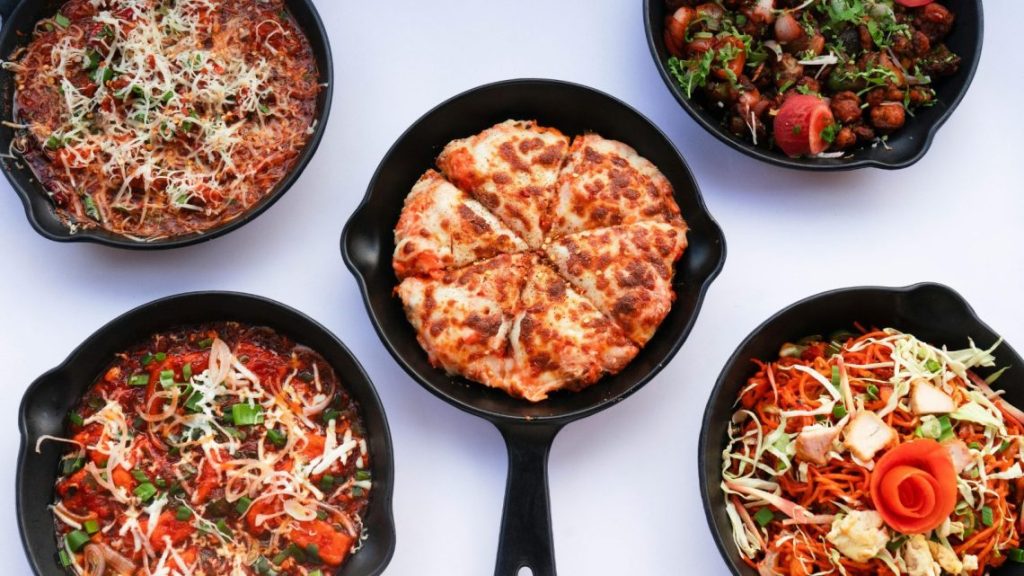
The foodservice industry is entering a new era, one shaped by bold creativity, smarter operations, and evolving guest expectations. By 2026, menus will reflect far more than taste preferences. They will respond to lifestyle shifts, digital habits, health priorities, and changing ways people choose to dine, both on-premise and off-premise.
Here are 10 key trends shaping foodservice in 2026, and what they mean for operators planning ahead.
Layered, Maximalist Flavour Experiences
Diners are increasingly drawn to dishes that combine sweet, acidic, spicy, and savoury elements in a single bite, often layered with contrasting textures like crispy toppings over creamy bases. According to Datassential, 63% of Gen Z diners actively seek bold or unexpected flavour combinations, a preference amplified by social media platforms where visually dynamic dishes gain traction.
This trend is already visible in items like creamy pastas finished with crispy chili oil, fried chicken drizzled with hot honey, or desserts that contrast smooth fillings with crunchy toppings. These layered experiences create impact without requiring complex ingredients, making them both craveable and operationally practical.
Food That Supports Health, Without Feeling “Healthy”
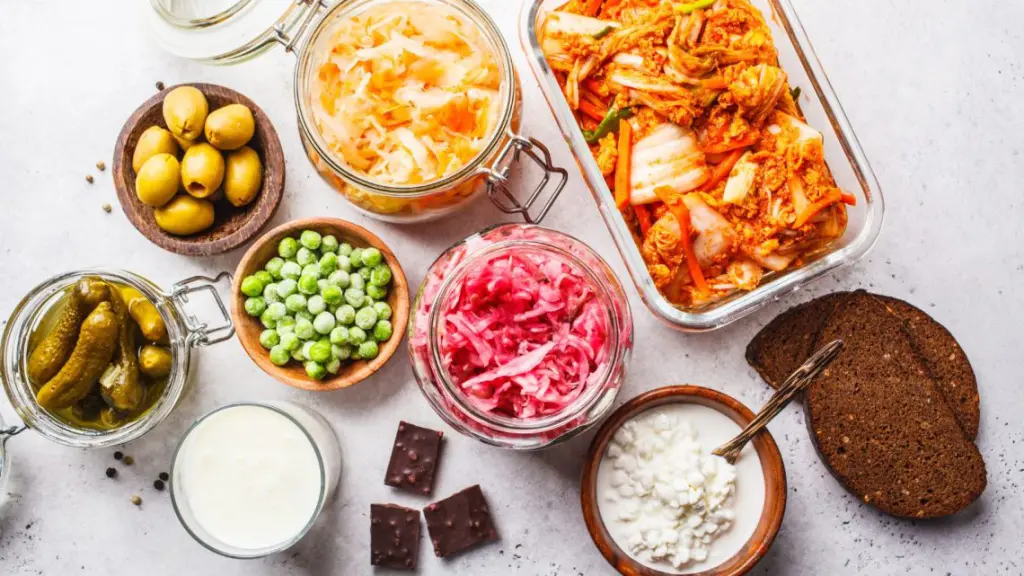
Interest in food that supports wellness continues to grow, but diners increasingly resist anything overtly marketed as “healthy”. According to recent research, 60.4% of consumers cite foods and beverages that support gut health as a top purchase driver, and 45.4% say immune support influences their food choices, highlighting growing demand for functional nutrition even outside the home.
Rather than marketing functionality, restaurants are quietly integrating fermented ingredients, fibre-rich grains, and mushroom-forward components into familiar dishes. Think kimchi folded into fried rice, mushroom-based sauces paired with proteins, or probiotic beverages served alongside comfort meals.
Menus Designed for Off-Premise Dining
Off-premise dining is no longer supplemental; it’s structural. Industry projections estimate that delivery and takeout will account for nearly 40% of restaurant revenue by 2026, reflecting a permanent shift in how guests engage with foodservice. In Canada, a 2024 report found that 51% of DoorDash consumers ordered delivery monthly, while 66% chose takeout for pickup. As a result, menus are being explicitly engineered for take-out.
Successful concepts are separating sauces to preserve texture, designing dishes that reheat cleanly, or offering “finish-at-home” formats. Items such as ramen kits with packaged broth or build-your-own taco sets allow guests to maintain quality while enjoying the meal at home. This approach protects brand perception and reduces complaints tied to delivery quality.
Sweet Heat Becomes a Core Flavour Profile
Sweet-and-spicy flavour combinations are moving from trend to menu staple. Circana reports a 9% year-over-year increase in dollar sales for food and beverages featuring “spicy”, with 11% of diners aged 25–34 actively seeking bold and unexpected flavour combinations. As a result, sweet-and-spicy profiles are becoming a reliable way to add interest and differentiation to menus.
By 2026, sweet-and-spicy profiles will extend far beyond traditional mains. Menus are leaning into chili-spiked cocktails, hot-honey drizzled flatbreads, gochujang-glazed proteins, and fruit-forward sauces layered with heat. Even desserts are embracing contrast, with spiced chocolate, chili-caramel, and warm pepper notes adding depth without overpowering sweetness.
Nuts, Seeds, and Ancient Grains Take Center Stage
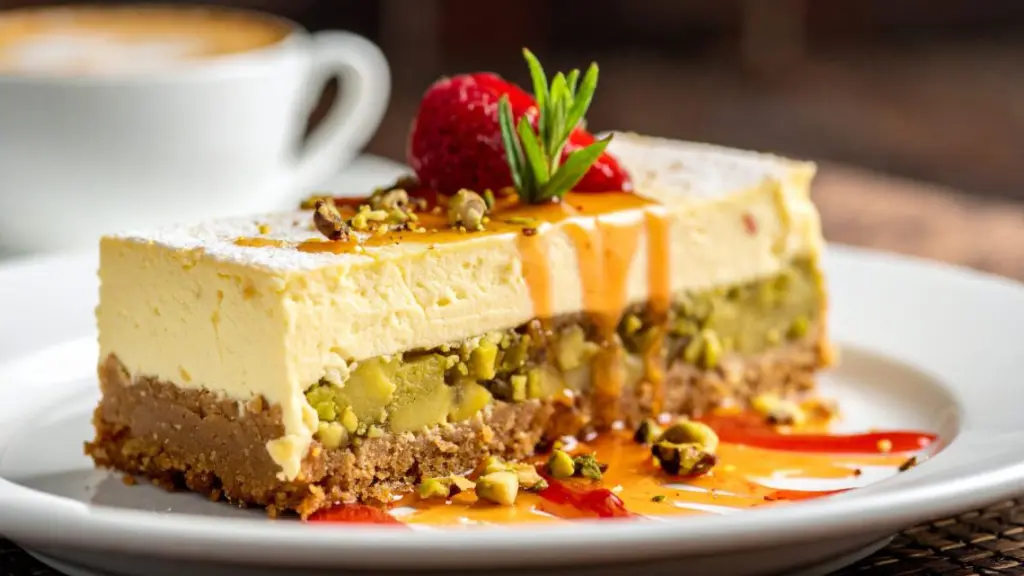
Culinary curiosity and global influence are pushing once-overlooked ingredients into the spotlight. Nuts, seeds, ancient grains, and regional staples are no longer just supporting elements, they’re becoming the foundation of modern menus. Ingredients such as millet, sorghum, teff, farro, and pistachios bring depth of flavour, texture, and cultural relevance, aligning with growing interest in nutrition, sustainability, and globally inspired cuisine.
This shift is especially visible across bowls, baked goods, and desserts, where pistachio-forward treats, seed-based crusts, and grain-rich bases elevate familiar dishes without adding operational complexity. These ingredients offer a premium look and feel while remaining cost-conscious, allowing menus to introduce variety and differentiation through components that can be cross-utilized.
Shareable Comfort Foods Drive Connection and Value
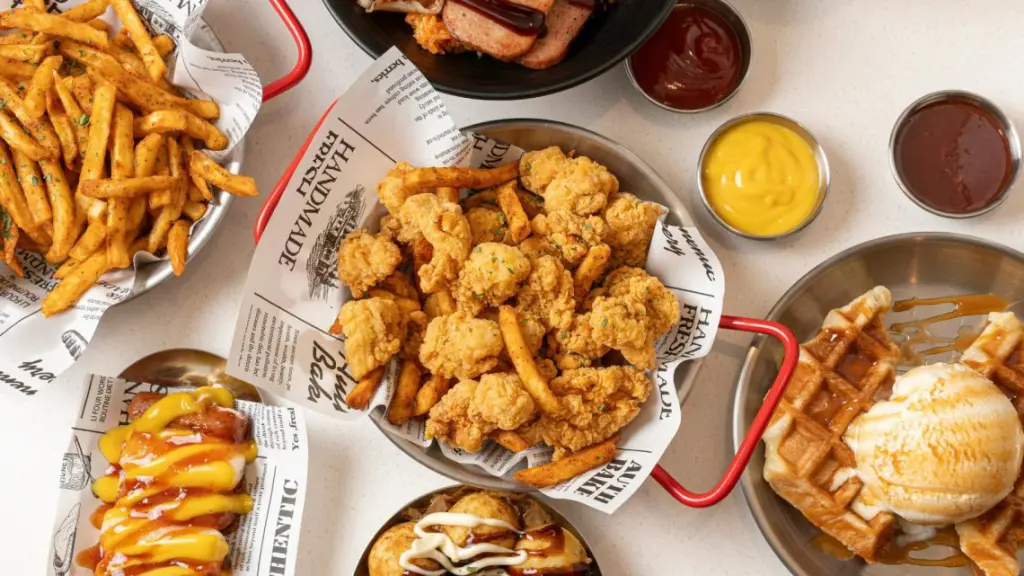
Shareable menu items remain essential to how guests choose what to order, especially as social dining occasions evolve. According to Restaurants Canada, shareable food options are particularly appealing to women (44%) and younger diners (46%), highlighting the ongoing demand for dishes designed to be enjoyed together. These offerings naturally encourage group ordering, support casual and social dining experiences, and often drive higher check averages through add-ons and customization.
Fries and potato-based dishes are at the centre of this trend. Loaded fries, seasoned wedges, smashed potatoes, and globally inspired potato sides offer broad appeal, strong margins, and operational flexibility. Potatoes act as a neutral base that can carry bold flavours, sauces, and toppings, making them ideal for shareable plates that feel indulgent without significantly increasing food costs.
Quiet Luxury and Understated Elevation
While some diners seek boldness, others gravitate toward subtle refinement. The “quiet luxury” movement, already influencing fashion, is also shaping the foodservice industry. Deloitte reports that high-end dining spend rose by 15% between 2022 and 2024, signalling renewed demand for premium experiences that prioritize quality over excess.
Menus reflecting this shift emphasize craftsmanship rather than spectacle. A perfectly cooked fish finished with a seasonal garnish, or artisanal bread paired with cultured butter, communicates value through technique, sourcing, and restraint. These understated dishes signal confidence and care, appealing to guests who associate simplicity with authenticity.
Global Comfort Foods, Reimagined
Familiarity continues to drive ordering decisions, but diners increasingly expect a fresh perspective on classic comfort foods. In response, restaurants are modernizing well-known global dishes through updated techniques, premium ingredients, and cross-cultural influences that feel approachable rather than experimental.
Street foods such as tacos, bao, shawarma, and fried chicken are being elevated through higher-quality proteins, house-made sauces, and refined presentations. At the same time, globally inspired comfort staples,like pasta, rice bowls, curries, and sandwiches, are being adapted to local tastes and service formats. This strategy allows menus to introduce global flavours with lower risk, pairing recognizable formats with thoughtful innovation to keep offerings relevant, craveable, and operationally practical.
Beverage Programs as Strategic Revenue Drivers
Beverage menus are evolving into profit centres. Consumer demand is shifting toward flavour-forward, premium drink options that complement food and elevate the overall dining experience. IWSR data shows non-alcoholic beverage sales growing at 7% annually, reflecting rising interest in alternatives that offer wellness benefits, innovation or indulgence without alcohol.
This shift is also evident in on-premise behaviour. Restaurants Canada reports that beverage preferences are moving away from traditional hot coffee and standard sodas toward iced and specialty coffees, functional drinks, energy beverages, and fruit-based options. In response, operators are investing in more intentional beverage programs, including house-made syrups, spicy and spirit-free mocktails, functional beverages, and rotating seasonal drinks. These offerings not only drive higher check averages but also allow restaurants to differentiate their menus and create moments of discovery.
Solo Dining and the Rise of the “Me-First” Experience
Dining is becoming increasingly individual, shaped by shifting lifestyles, flexible work schedules, and changing social habits. More guests are choosing to dine alone, customize their meals, and prioritize experiences built entirely around their personal preferences.Collider Lab reports that solo dining has grown by 52% since 2021, signalling that this behaviour is no longer occasional, but a lasting shift in how and why people dine out.
In response, restaurants are rethinking portion sizes, menu design, and service formats to better support solo guests. Single-serve dishes, customizable bowls, and modular menu items allow diners to build meals that suit their tastes without compromise. Bar seating and counter-style dining are also gaining traction, offering a comfortable, welcoming environment for individual diners while maximizing seat utilization. Together, these changes reflect a broader move toward autonomy and personalization.
Looking Ahead
The foodservice trends shaping 2026 point to a future defined by balance: creativity paired with efficiency, indulgence supported by function, and personalization grounded in operational reality. Operators who adapt early, by rethinking menus, embracing more innovative formats, and responding to how guests truly dine, will be better positioned to remain relevant, profitable, and resilient in the years ahead.
Sources
Datassential, Restaurants Canada, Circana, Deloitte, IWSR, Collider Lab, DoorDash Canada Consumer Insights